
Every day, billions of text messages are sent across the globe, yet a significant percentage go unnoticed or unanswered. In an era where instant communication is the norm, having your message ignored can be frustrating — whether you are a business reaching out to a prospect, a professional following up with a colleague, or simply trying to stay in touch with a friend.
The truth is that no message needs to ever be totally ignored. With the right strategies, timing, and technology, you can dramatically increase your message delivery and response rates. This article explores why messages get ignored, the real cost of missed communications, and how you can ensure every message you send gets the attention it deserves.
- Message fatigue and digital overload are the top reasons messages get ignored
- Smart timing and personalized delivery can boost response rates by over 40%
- Technology solutions like scheduled sending and read receipts ensure accountability
- Consistent follow-up strategies turn ignored messages into meaningful conversations
Understanding Message Ignorance
Message ignorance is rarely personal. In most cases, it is a byproduct of the overwhelming volume of digital communication that the average person receives daily. Studies show that professionals receive over 120 emails and dozens of text messages every day. With this level of digital noise, even well-intentioned recipients can miss or overlook messages simply because they are inundated.
The psychology behind ignored messages is also rooted in cognitive overload. When people are bombarded with notifications, their brain develops coping mechanisms — such as skimming, prioritizing only urgent senders, or delaying responses indefinitely. Understanding these behavioral patterns is the first step toward crafting messages that break through the clutter.
Research from the Journal of Consumer Research indicates that messages sent during off-peak hours — early morning or late evening — see up to 35% higher open and response rates because recipients have fewer competing notifications demanding their attention.
The Impact of Ignored Messages
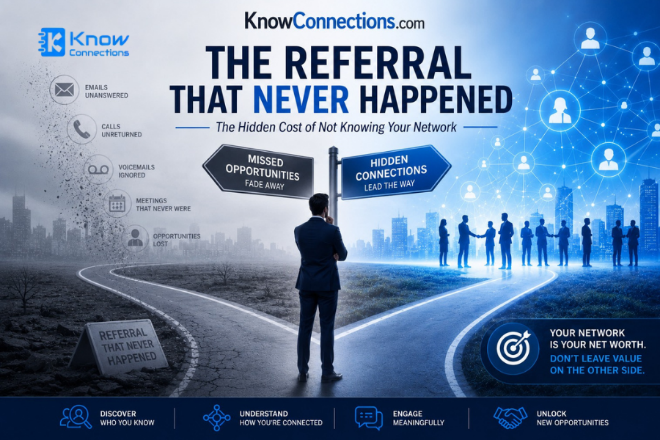
When messages go unanswered, the consequences extend far beyond a bruised ego. In business contexts, ignored communications can lead to lost revenue, damaged relationships, and missed deadlines. The cumulative effect of unreturned messages creates friction in professional networks and slows down decision-making processes.
- Missed Business Opportunities — A prospect who never responds to your outreach is a deal that never closes
- Strained Professional Relationships — Repeatedly ignored messages erode trust and signal disinterest
- Operational Delays — Projects stall when key stakeholders fail to respond to critical updates
- Reduced Team Morale — Employees feel undervalued when their messages go unnoticed
- Brand Reputation Damage — Customers who feel ignored are quick to share negative experiences
A study by Salesforce found that 68% of customers leave a business due to perceived indifference — and poor communication follow-through is one of the top indicators of indifference. Every ignored message is a risk to customer retention.
Smart Delivery Strategies
Ensuring your messages get noticed requires a deliberate approach to timing, personalization, and channel selection. Generic messages sent at peak hours are easily lost. By contrast, thoughtfully crafted communications delivered at optimal moments stand out and invite responses.
- Time Your Messages Strategically — Send during low-traffic windows like early mornings (7–9 AM) or evenings (7–9 PM) for higher visibility
- Personalize Every Message — Reference past conversations, mutual connections, or specific details to show genuine interest
- Keep It Concise — Respect the recipient's time with clear, scannable content that gets straight to the point
- Use Multiple Channels — Follow up via a different medium (e.g., email after text) to increase the chance of being seen
- Include a Clear Call to Action — Make it easy for recipients to respond by asking a specific question or suggesting next steps
Use message scheduling tools available in Know Connections to automatically send your messages at the optimal time for each contact based on their time zone and past engagement patterns. This simple adjustment can improve response rates by 40% or more.
The Role of Technology in Message Delivery
Modern technology offers powerful solutions to the problem of ignored messages. From intelligent scheduling algorithms to delivery confirmation systems, the right tools can transform how your communications are received and acted upon. Platforms like Know Connections integrate these capabilities directly into your messaging workflow.
Delivery Confirmation and Read Receipts
Knowing whether a message was delivered and read is the foundation of effective follow-up. Delivery confirmation systems remove the ambiguity of ignored messages, allowing you to distinguish between "not seen" and "ignored deliberately." This intelligence informs your next action — whether to resend, try a different channel, or move on.
Intelligent Follow-Up Automation
Automated follow-up sequences ensure that no message falls through the cracks. Instead of manually tracking who owes you a response, smart systems can send polite reminders at predetermined intervals. These follow-ups appear thoughtful rather than pushy when configured correctly, with appropriate spacing and variable messaging.
of professionals say automated follow-up reminders help them respond to messages faster, according to a HubSpot productivity report
Ready to Never Miss a Message?
Discover how Know Connections helps you manage your communications and ensure every message gets the response it deserves.
Book a DemoBest Practices for Message Delivery
Beyond technology, there are fundamental communication practices that dramatically improve your message delivery rates. These principles apply whether you are using a sophisticated platform or sending messages the old-fashioned way.
- Lead with Value — Open your message with something beneficial to the recipient — a useful insight, a genuine compliment, or a relevant resource — before making your request
- Match the Channel to the Context — Use text for urgent, time-sensitive matters; use email for detailed information; use in-app messaging for collaborative discussions
- Respect Response Time Norms — Different channels have different expectations — texts are typically answered within minutes, emails within hours, and social DMs within a day
- Follow Up with Finesse — Wait at least 48 hours before following up on a text, and vary your message rather than repeating the same request verbatim
- Track and Analyze Your Patterns — Monitor which messages get responses and which do not, then adjust your approach based on data rather than guesswork
Many professionals make the error of sending the same generic message to multiple people without personalization. Recipients can instantly detect a mass message and are far less likely to respond. Always tailor your communication to the individual — even a small detail like mentioning a shared interest can double your response rate.
The Future of Reliable Messaging
As communication technology continues to evolve, the problem of ignored messages will be addressed through increasingly intelligent systems. Artificial intelligence is already being used to predict the best times to send messages, craft personalized content at scale, and automatically follow up when no response is received.
The future of messaging is not about sending more messages — it is about sending smarter ones. Platforms will increasingly leverage context awareness, learning from your communication patterns to optimize every aspect of delivery. From smart notifications that prioritize important contacts to AI-powered writing assistants that craft messages more likely to get responses, the tools available will continue to reduce the rate of ignored communications.
The future of messaging is not about volume. It is about relevance, timing, and intelligence. When every message is crafted with purpose and delivered with precision, no message ever gets totally ignored.
Businesses and professionals who adopt these technologies early will have a significant advantage. In a world where every message competes for attention, the ability to consistently get through to your audience is a competitive edge that translates directly into better relationships, faster deals, and stronger networks.
Frequently Asked Questions
Common questions about message delivery and communication strategies
Why do some messages get ignored?
Messages get ignored primarily due to digital overload and cognitive fatigue. The average person receives dozens of messages daily, and many get buried under volume. Other factors include poor timing (sending during busy hours), lack of personalization (generic messages feel impersonal), and unclear intent (recipients are unsure how to respond). Understanding these factors is the first step to improving your delivery rates.
How can I improve my message delivery rate?
Improving delivery rates involves a combination of strategy and tools. Start by personalizing each message to show genuine interest. Time your messages during low-traffic periods when recipients are more likely to engage. Keep your content concise with a clear call to action. Use multiple channels for follow-ups, and leverage technology like delivery tracking and automated reminders to ensure nothing falls through the cracks.
Does message timing really matter?
Absolutely. Timing is one of the most critical factors in message delivery. Studies show that messages sent during off-peak hours — early morning (7–9 AM) or evening (7–9 PM) — receive significantly higher open and response rates. Sending during peak business hours when people are busy with meetings and tasks often leads to messages being skimmed or postponed indefinitely. Always consider the recipient's time zone and typical schedule.
What's the best way to follow up?
The best follow-up strategy balances persistence with respect. Wait at least 48 hours before following up on a text message. When you do follow up, add new value — share an article, offer a fresh perspective, or reference something relevant rather than just repeating "did you see my last message?" Vary your channel for follow-ups (try email after text, or a call after email). Use tools like Know Connections to schedule and track follow-ups automatically for maximum consistency.










.png)